Does Homeowners Insurance Cover Water Damage in Nevada?
October 18, 2026 · 10 min read
On this page
Usually, yes, when the water gets out suddenly and by accident, like a pipe that bursts or a washing machine hose that splits. No, according to the Insurance Information Institute, when the damage comes from skipped maintenance. A slow leak can land on either side of that line. A standard homeowners policy doesn’t cover flood water, which is worth knowing before the next Las Vegas monsoon. Your insurance company decides what your policy covers, based on the policy’s own wording.
Our part is the water itself. Our water damage restoration work starts with an assessment, then water extraction, then structural drying and dehumidification. We work with all insurance companies and help you with the claim. Below, we cover where policies draw the line on slow leaks and what a standard policy usually covers and leaves out. Then we get to monsoon flooding and the claim steps the Nevada Division of Insurance lays out.
Does Nevada Homeowners Insurance Cover a Slow Leak?
It depends on why it leaked. Policies draw a line between water that gets out suddenly and by accident and damage that builds up because a home wasn’t kept up. The Insurance Information Institute (Triple-I) is a national insurance industry group. It lists the perils, or causes of damage, that standard homeowners policies cover, though it notes that policies vary. One of them is accidental discharge or overflow of water from a plumbing, heating, air conditioning or fire sprinkler system, or from a household appliance. Another is the sudden and accidental tearing apart, cracking or bulging of a hot water heating, air conditioning or fire sprinkler system. On the other side of the line, Triple-I says your policy will not cover damage due to lack of maintenance. Maintaining your home is your responsibility, it says.
For example, say the braided supply line to your toilet splits overnight and you wake up to water across the bathroom tile. That’s the sudden, accidental kind. Now say the caulk along your shower failed months ago. Water has been seeping into the wall beside it, and now the paint bubbles at the bottom. That can look a lot more like the maintenance kind.
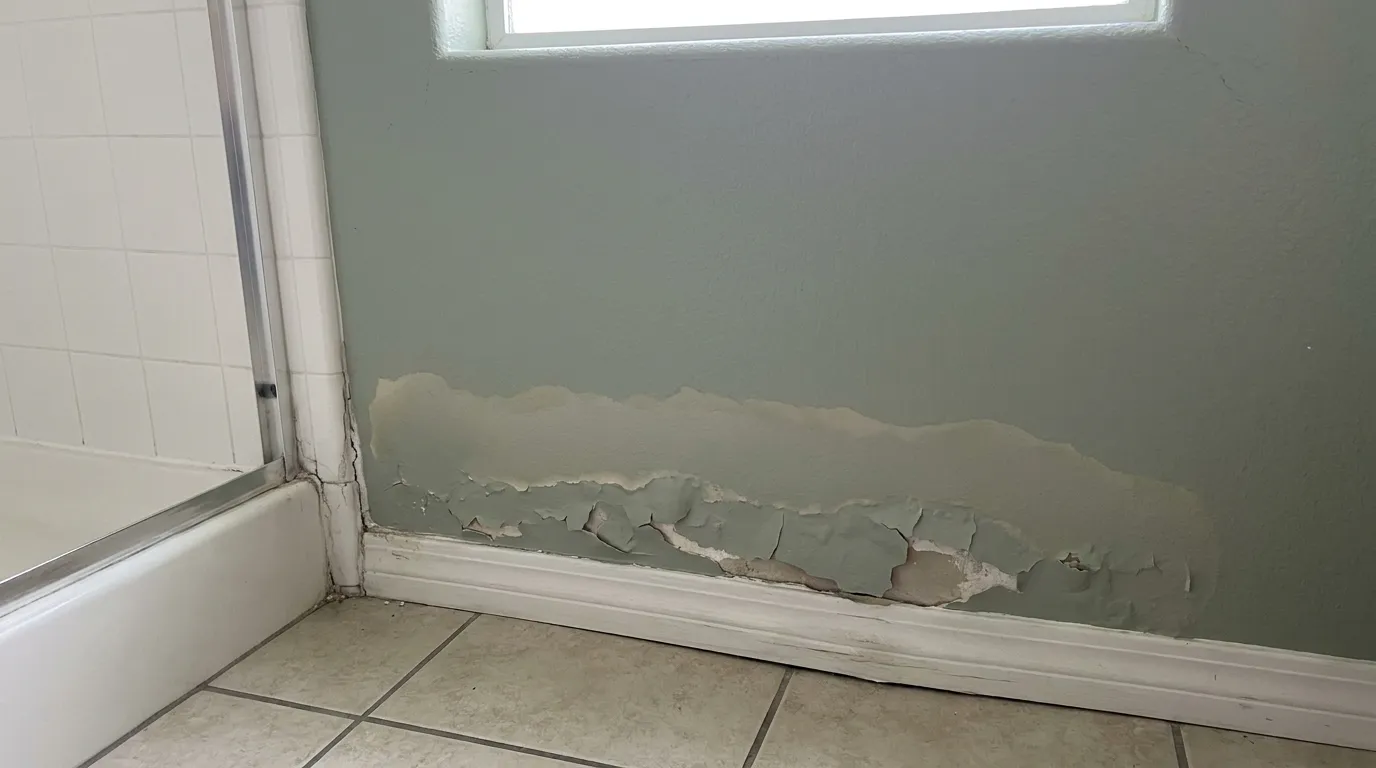
The Nevada Division of Insurance’s guide to reading a home insurance policy explains why your own policy settles this. It says that when you file a claim, your insurance company turns to your policy. Policies are legally binding contracts that dictate what the company covers, it explains. It also warns that sometimes a policy covers a risk in one section, then excludes or limits it under certain conditions later on. That’s why, with a slow leak, it pays to read your policy start to finish before you assume either answer.
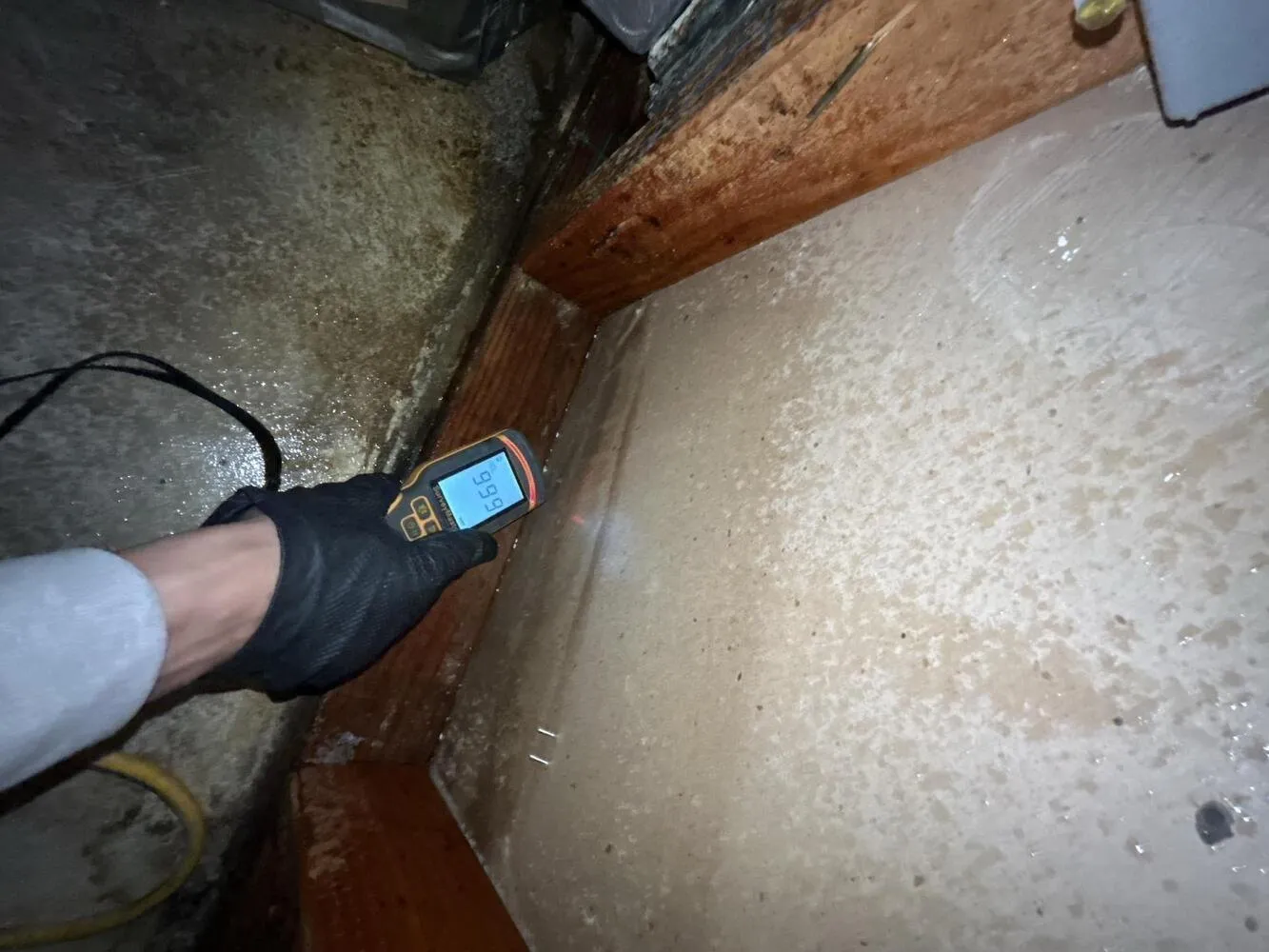
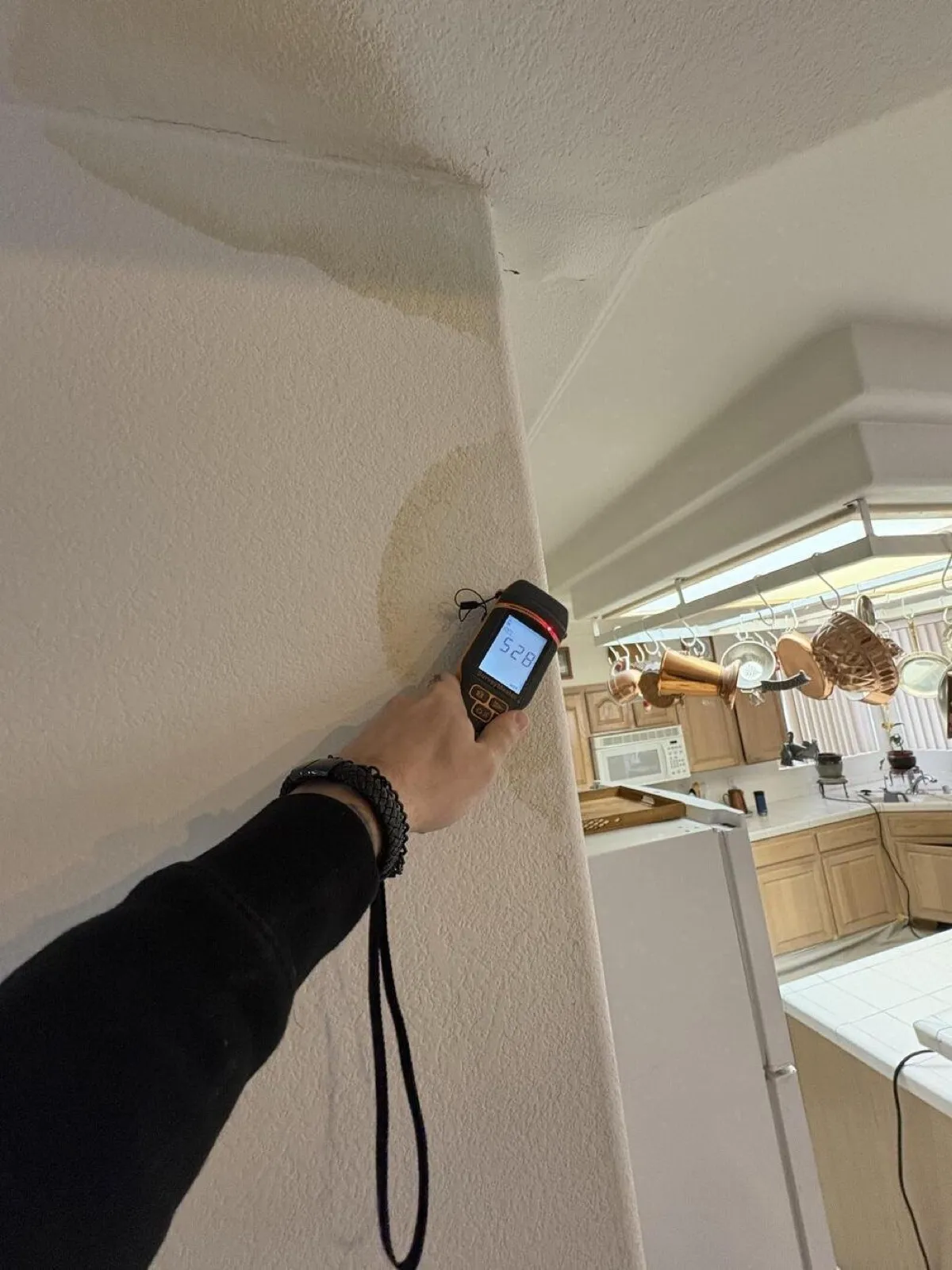
Your insurance company decides which side of the line your leak falls on. What we do is find the source of the water and how far the damage has spread. We also take moisture readings to find hidden water, which matters when a slow leak has spread inside a wall or under a floor. If you find a slow leak, the claim steps further down still apply, starting with reporting it right away.
What Does Nevada Homeowners Insurance Cover and Leave Out?
We’ve sorted these six items from usually covered, to covered only if the water damage is, to left out.
- Water that escapes suddenly from plumbing or an appliance. This is the sudden, accidental kind from the section above. Think of an ice maker line that pops loose behind the refrigerator, or a dishwasher that overflows across the kitchen floor. A supply line that bursts behind the drywall and soaks the next room’s carpet is the clearest case on this list.
- A place to stay while the damage is fixed. The Nevada Division of Insurance’s 2026 Consumer’s Guide to Home Insurance describes loss of use coverage. It says this pays some of your additional living expenses while your home is being fixed because of damage by an insured event. Typical expenses, it says, may include a hotel stay, a rental home, restaurant meals and storage. So if the burst pipe is covered, this part can help while you’re out of the house.
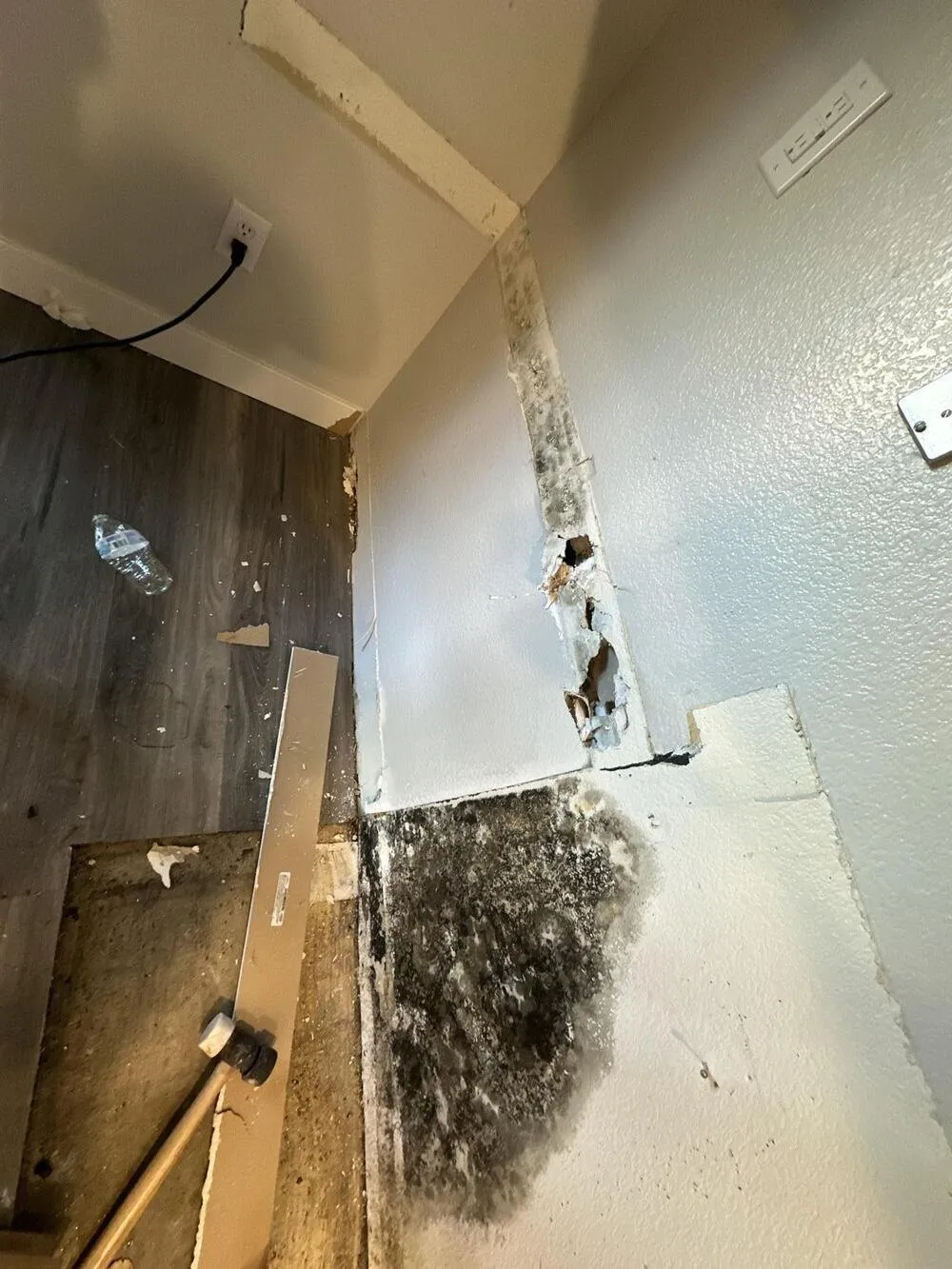
- Mold that grows because of a covered leak. Triple-I’s guide to protecting your home from mold says most mold isn’t covered by a standard homeowners policy. Like rot, it says, mold is a home maintenance issue. But when mold is the direct result of a covered peril, like a burst pipe, Triple-I says the cost of getting rid of it may be covered. Mold on the back of the drywall after a pipe bursts is one claim. Mold that grew for years around a leaky window is another. If mold has already started, our mold remediation work begins with an inspection that finds the source and the affected areas.
- Sewer or drain backup. Triple-I’s guide to which disasters homeowners insurance covers says sewer backups are not covered under a typical homeowners policy. It says that coverage has to be bought either as a separate product or as an endorsement, which is an add-on to your homeowners policy. For example, if your home’s sewer line backs up through a ground-floor shower drain, a typical policy without that add-on leaves it out. If you don’t know whether you added that coverage, ask your agent.
- Damage from skipped maintenance. This is the maintenance side of the line from the first section, like the seeping shower wall. It’s also why a leak you’ve known about for months can be harder to claim than one you found this morning.
- Flood water. The Nevada Division of Insurance’s flood insurance page says standard homeowners and renters insurance does not cover flood-related damage to your house or personal items. Flood coverage is available through a separate policy from the National Flood Insurance Program (NFIP), it says. The next section covers what that means in a Las Vegas monsoon.
Does Homeowners Insurance Cover Monsoon Flooding in Las Vegas?
Not the flood water. A monsoon storm can damage a Las Vegas home in two ways, and a standard policy treats them differently. Triple-I’s guide to protecting your home from water damage puts it this way. Generally speaking, it says, water that comes from the top down, such as rainfall, is covered by a standard homeowners policy. Water that comes from the bottom up, such as an overflowing river, is typically covered by a separate flood insurance policy, it says.
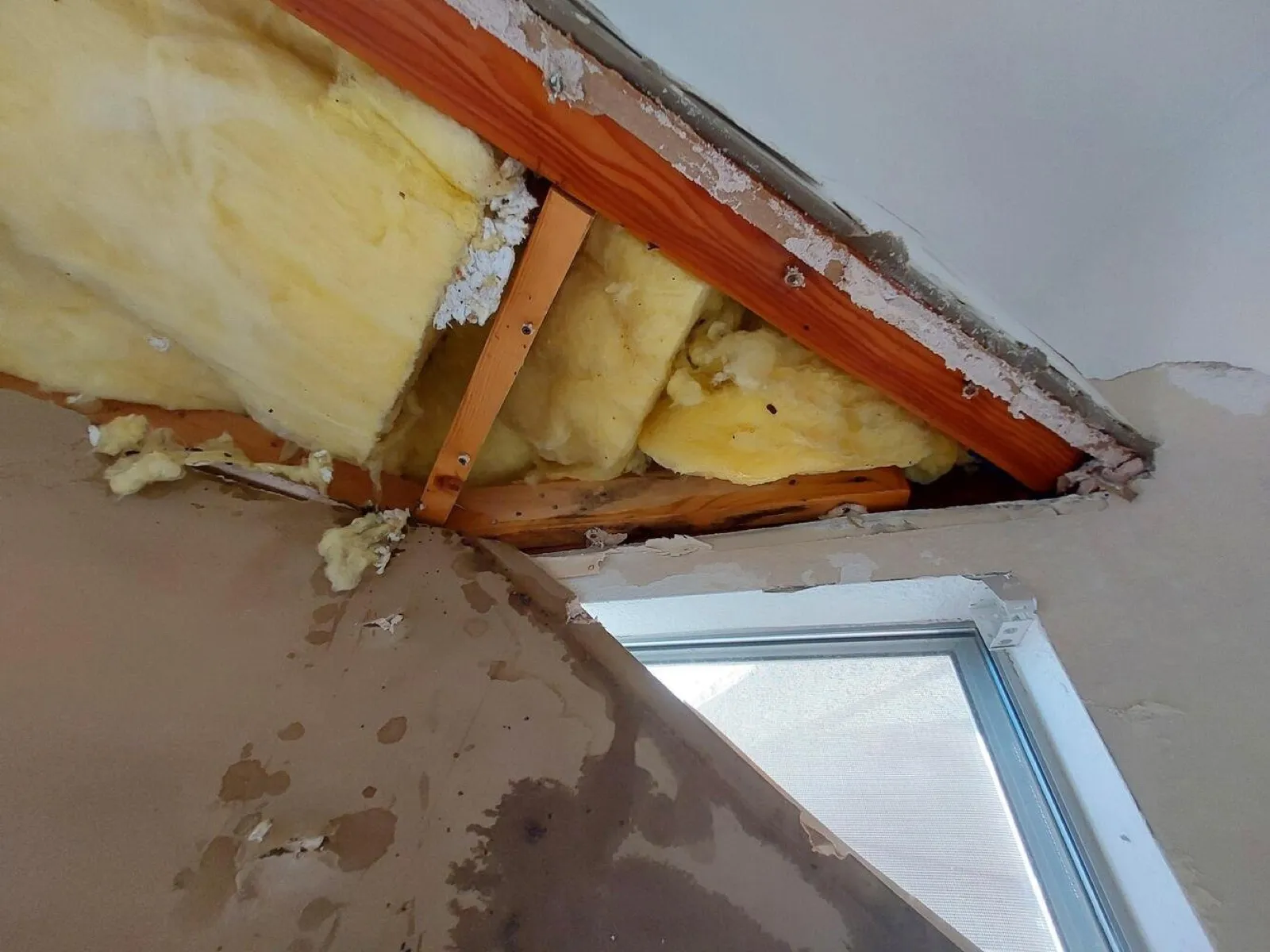
For example, say monsoon winds lift a few roof tiles and rain drips through your bedroom ceiling. That’s top-down water. Now say the same storm sends runoff down your street and in under the front door. That’s flood water, and it’s the part a standard homeowners policy leaves out. One storm can do both, and your insurance company decides which damage falls under which policy.
If you’re wondering whether flood insurance makes sense in the desert, the Nevada Division of Insurance’s flood insurance page speaks to that too. It says that while Nevada may have a dry climate, heavy rains, flash floods and the spring thaw of winter snow are regular annual occurrences.
The Clark County Regional Flood Control District says flood insurance is available to all residents of Clark County and its incorporated cities, whether or not the property is in a flood zone. It adds that properties outside a designated flood zone may still be subject to flooding. The district’s website has the Flood Insurance Rate Maps. They show the flood zones the Federal Emergency Management Agency (FEMA) set with local communities. The district says a flood zone determination for your address comes from the public works department of the city or county your home is in. For example, that’s the City of Las Vegas inside city limits, and Clark County in an unincorporated area like Spring Valley.
The district also lists factors to weigh when you decide. It says homes built before 1992 may not have been designed to the same minimum flood protection standards as newer ones. Others on its list include whether your home sits near a drainage way and whether your lot has flooded before.
If you decide you want flood coverage, timing matters. The Division’s 2026 Consumer’s Guide to Flood Insurance says a policy typically takes up to 30 days to go into effect. So the time to buy, it says, is well before a disaster. Whichever policy pays, if either does, the water still has to come out. Our flood cleanup work includes water removal, drying and sanitation.
How Do I File a Water Damage Insurance Claim in Nevada?
Start with your policy and your agent. The Nevada Division of Insurance has a page on what to do when you need to file a claim. It says that if you believe you have a claim, you should review your policy. Then, it says, contact your agent right away to file and discuss the details.
Here are the Division’s steps for right after the damage, in its order. We’d add one thing first: these steps are for a home that’s safe to be in. If yours isn’t, our guides to monsoon floods and ceiling leaks cover what to do first.
- Report the claim right away. Contact your insurance company or your local agent, with a copy of your policy and your home inventory on hand. If you can’t find the company’s or the agent’s number, call the Division.
- Protect your home from further damage or theft. A provision in your policy requires it. Make temporary fixes, or arrange for a licensed professional to make them, and save every receipt for that work.
- Take photos of the damage. If your home can’t be secured, remove your undamaged personal property.
- Keep damaged property until it’s reviewed. Don’t throw anything out until your insurance company has reviewed it for your claim.
- Track your costs if you have to stay somewhere else. Keep records of your expenses and every receipt. That’s the loss of use coverage from the list above.
- Start a home inventory if you don’t have one. List your belongings room by room from memory, in as much detail as you can. Include where and when you bought each item, what it cost, and its brand and model.
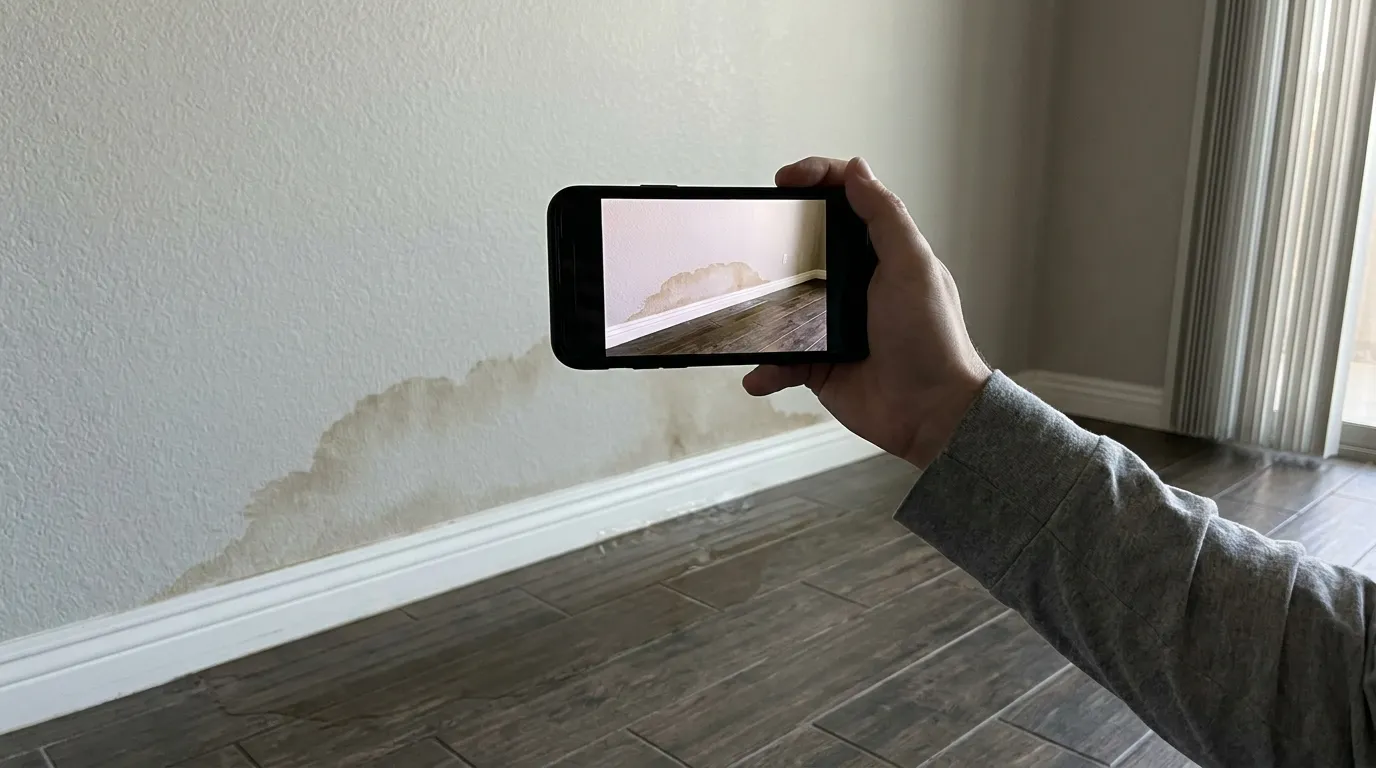
The Division adds that your insurance company will send someone to survey the damage at no cost to you. It also says not to feel rushed or pushed to agree on a settlement. If you disagree, it says to try to resolve it with your insurer first, then contact the Division for help if you can’t reach an agreement. The same page has a separate list on choosing a contractor for the permanent work, and it’s worth reading before you sign anything for it.
Your insurance company decides what your policy covers, and the claim is yours to file. We work with your insurance company throughout the job and document the damage fully. We also explain the work and walk you through each step of the job.
The Bottom Line on Water Damage Insurance in Nevada
A standard homeowners policy usually covers water that gets out suddenly and by accident, like a burst pipe. Triple-I says a policy will not cover damage due to lack of maintenance, and a slow leak can land on either side of that line. Mold may be covered when a covered leak caused it, and sewer backup needs coverage you buy separately or add to your policy. Flood water typically needs a separate flood policy. In Clark County you can buy one whether or not your home is in a flood zone. The Nevada Division of Insurance says a flood policy typically takes up to 30 days to go into effect. When water does get in, work through the Division’s claim steps above, starting with reporting the claim right away. Your insurance company decides what your policy covers.
We’re open 24/7, every day of the year. We’re on site in under an hour, and inspections and estimates are free. We work with all insurance companies and help you with the claim. If you’re wondering whether calling us for an inspection starts a claim, the insurance answers on our FAQ page cover it.