
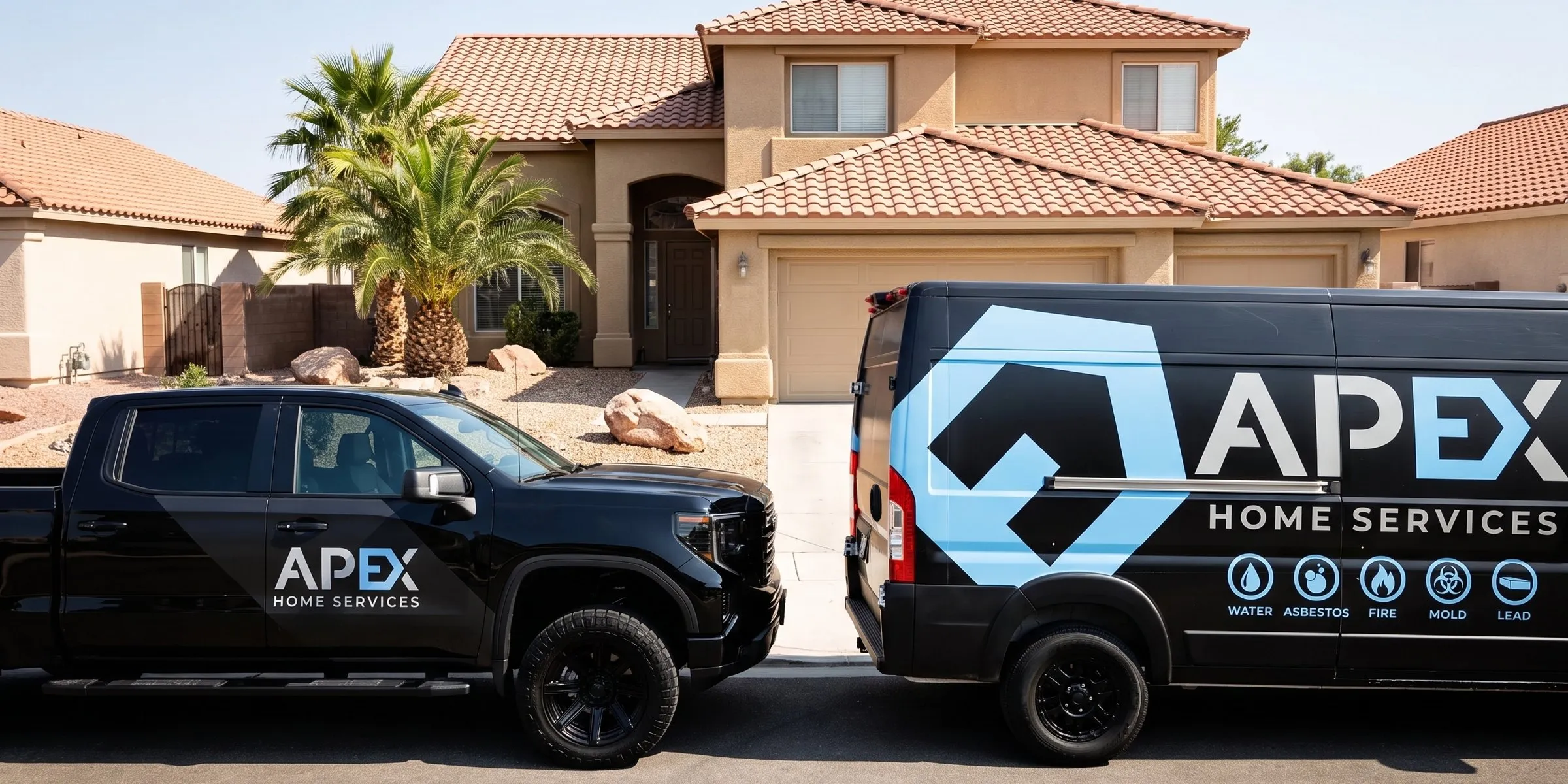
Same-Day Water Damage Cleanup in Las Vegas
Need water damage cleanup in Las Vegas? The water heater in the garage gave out, or a stain is spreading across the ceiling below the swamp cooler. We find where the water came from, get it out and dry the structure. There is no charge for the inspection or the estimate.
Why Us?
- Free inspections and estimates
- We answer 24/7, on site in under an hour
- We work with all insurance companies
 BBB accreditedSince 2025
- 4.9 on GoogleExcellent
 IICRC-certifiedTechnicians
 Licensed in NevadaNV #0091986
 Bonded and insuredNevada
How we handle water damage cleanup in Las Vegas
1We find the source and the spread
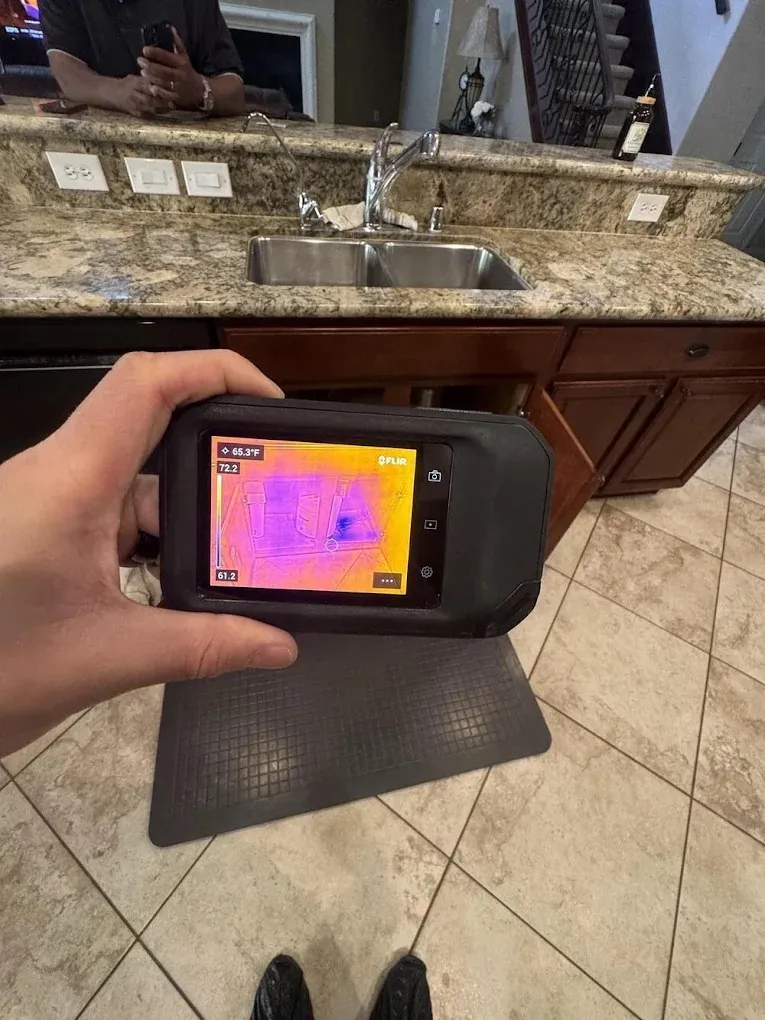
We trace the water to its source and check how far the damage has spread, using moisture readings to find water you cannot see. Most valley homes sit on a concrete slab, where a leak in a line under it can be harder to find early.
2We get the water out
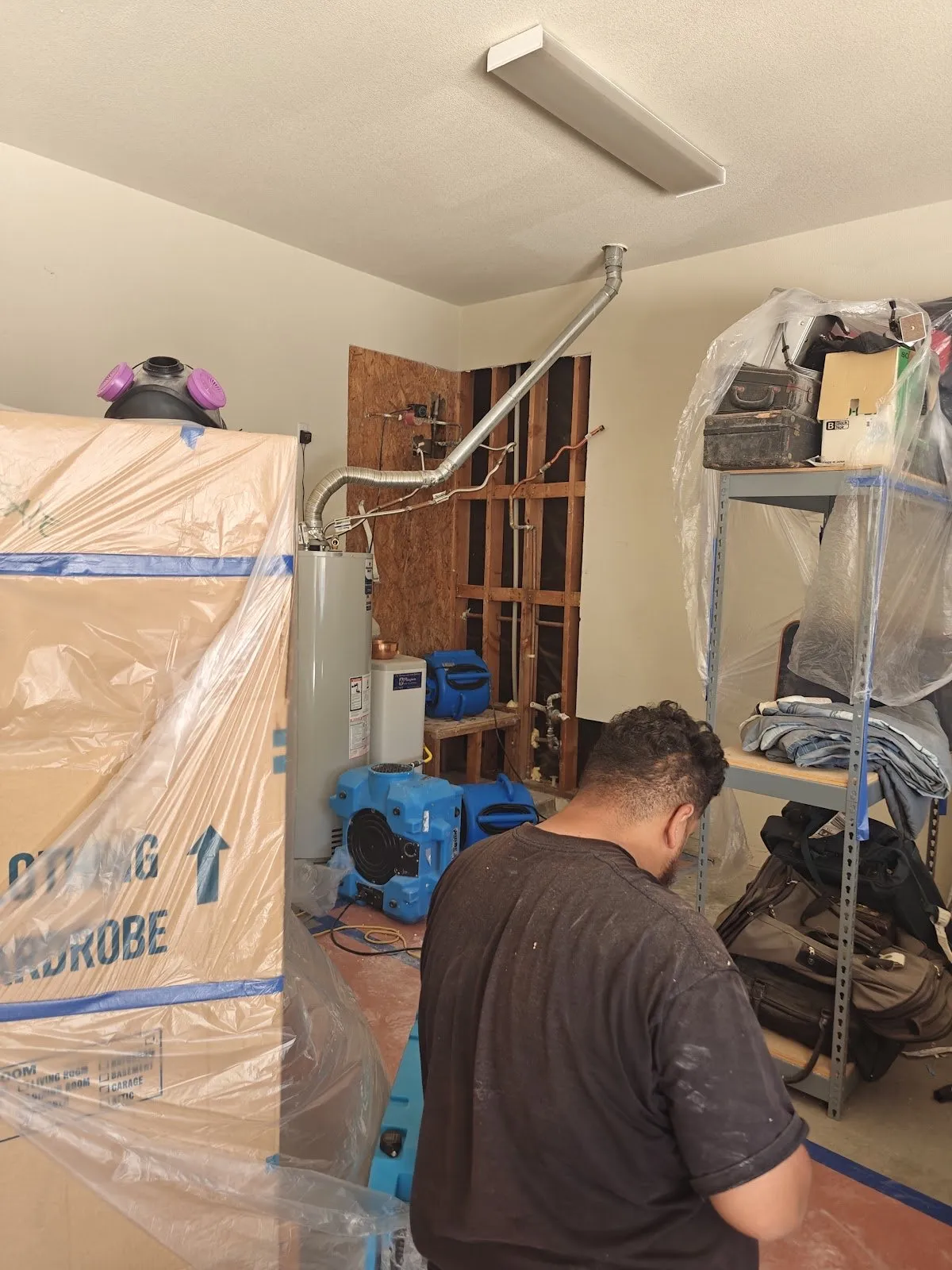
We extract the standing water and remove wet materials that need to come out, such as drywall, insulation, carpet, tile or baseboards. We set up containment around that work to keep dust from spreading. This mitigation is aimed at limiting the damage and protecting the building and its contents.
3We dry the structure
Air movers and dehumidifiers dry the walls and floors, and air scrubbers with HEPA filtration clean the air while we work. The valley is dry most of the year and can turn humid in monsoon season, and we monitor indoor humidity as the drying runs. We treat the odors water damage can leave.
4We help with your insurance claim
When you report the loss, we help with the claim by sharing our moisture readings and the work we did. Your insurance company decides what your policy covers.

Gregory Will
6 days ago
“Marcus and Jem we're fantastic and have been very courteous even when my house has not been at its best. I appreciate them as well as their crew for the great hospitality they provided today. They are top star the best and these two left a great impression on me and I appreciate them for being understanding and patient.”
We Work With All Insurance Companies
Whichever company insures your Las Vegas home or business, we work with them on the water damage cleanup and help you with the claim.
- We bill your insurance directly
- Estimates written in Xactimate
- Everything documented
 State Farm
 Allstate
 Farmers
 USAA
USAA Liberty Mutual
 Progressive
 Nationwide
 Travelers
 American Family
 GEICO
GEICOWhat Las Vegas homeowners say about our water damage cleanup
Real Google reviews from homeowners across the valley.
4.9 out of 5,259 reviews on Google
Jaclyn DeSalvo
2 weeks ago
Ed and Jacob were both fantastic. Respectful, informative, and very quick! Apex finished the job much earlier than expected and it was very helpful for us. Highly reccomend them.

gerard olivera
2 weeks ago
Jay and his team showed care and thoroughness in the performance of their job; all three of them were not only very professional but also courteous in dealing with me (Gerard) and my wife. All our pertinent questions in relation to the damage , being currently attended to, were satisfactory answered. If I’m allowed , I’ll rate them and their performance more than five (5) STARS!!!!

Earth67Mars48
3 weeks ago
The team for the water damage showed up promptly, worked efficiently and we're a pleasure to interact with.
Why Las Vegas homeowners call us for water damage cleanup
Open 24/7, holidays included
Call at night or on a weekend and we pick up. A technician will be on site in under an hour, ready to trace the water with you.
We take on small leaks and major floods
We work at both ends of the scale, from a minor leak under a sink to a major flood. A burst pipe, an overflowing washer or dishwasher and a toilet that ran over all bring us out. After a flood, our cleanup includes sanitation along with water removal and drying.
We walk you through each step
We show you the moisture readings from behind walls and under floors, so you know which rooms need drying. We explain each part of the work as it goes.
Advice on avoiding the next water problem
We give you advice on how to avoid the next water problem. The Las Vegas Valley Water District rates local water as very hard, and hard water can build scale in water heaters, valves and fittings, so we point out the ones to watch.

Valerie Ruelas
a week ago
“Amazing customer service! Extremely knowledgeable, explained in detail all my options. It’s not easy trusting just anyone with your home, but they made my experience a great one! Highly recommend the Apex team!”
Our water damage cleanup team supporting Las Vegas
Our technicians hold IICRC certifications, including water damage restoration, applied structural drying, applied microbial remediation and odor control. Our asbestos supervisors carry AHERA supervisor training.
Nate Birch
CEO
Michael Esplin
Field Lead
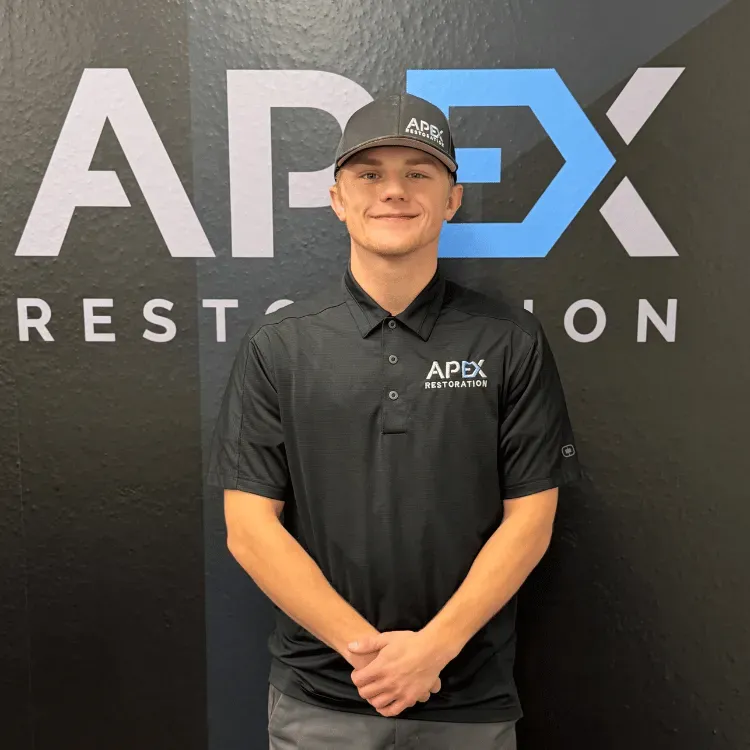
Maxwell Crespi
Crew Leader
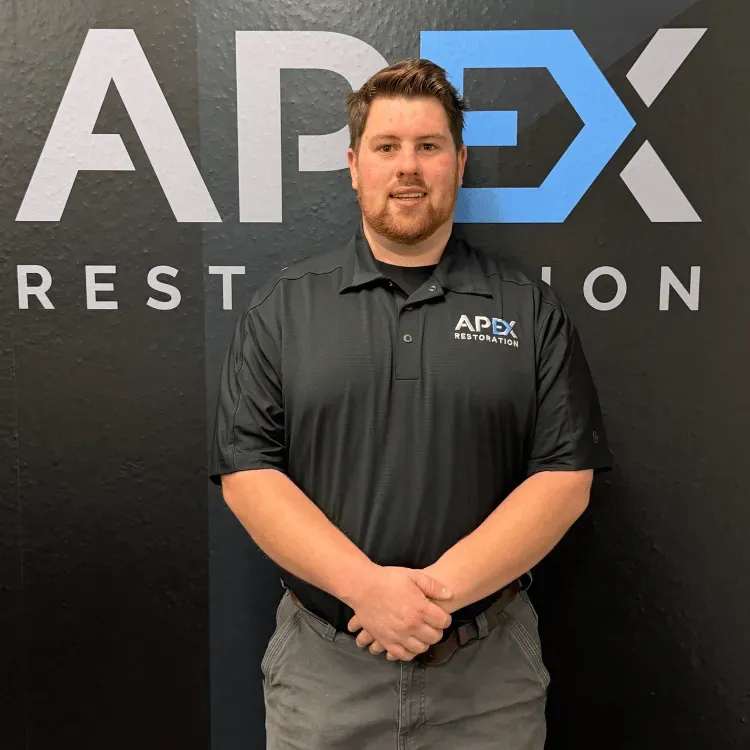
Kyle Transtrum
Lead Technician
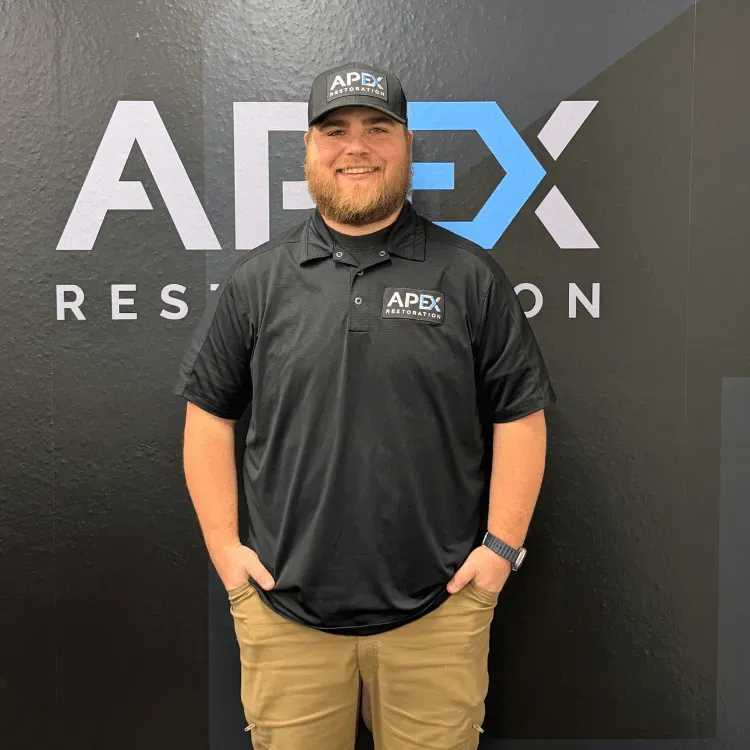
Jordan Duncan
Branch Manager
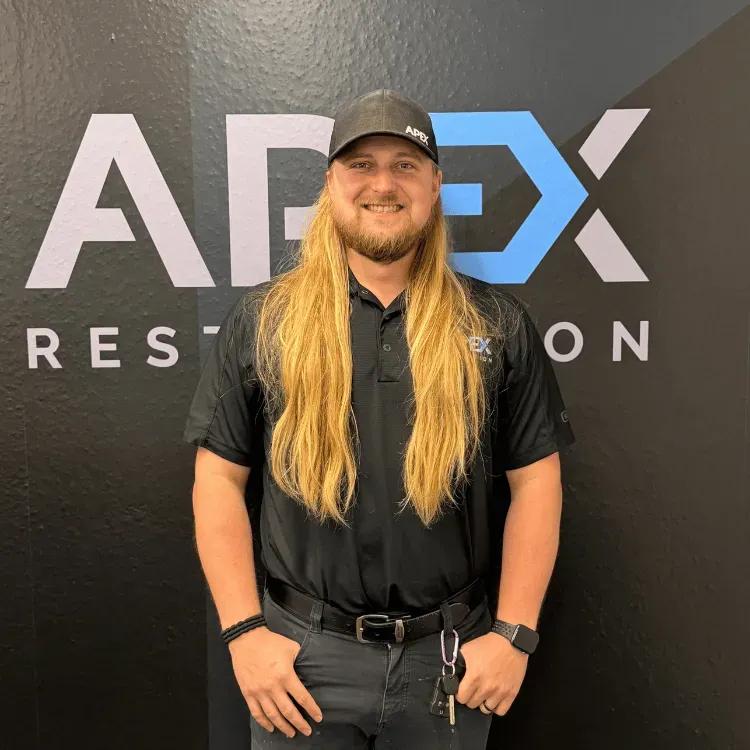
Michael Seifrit
Branch Manager
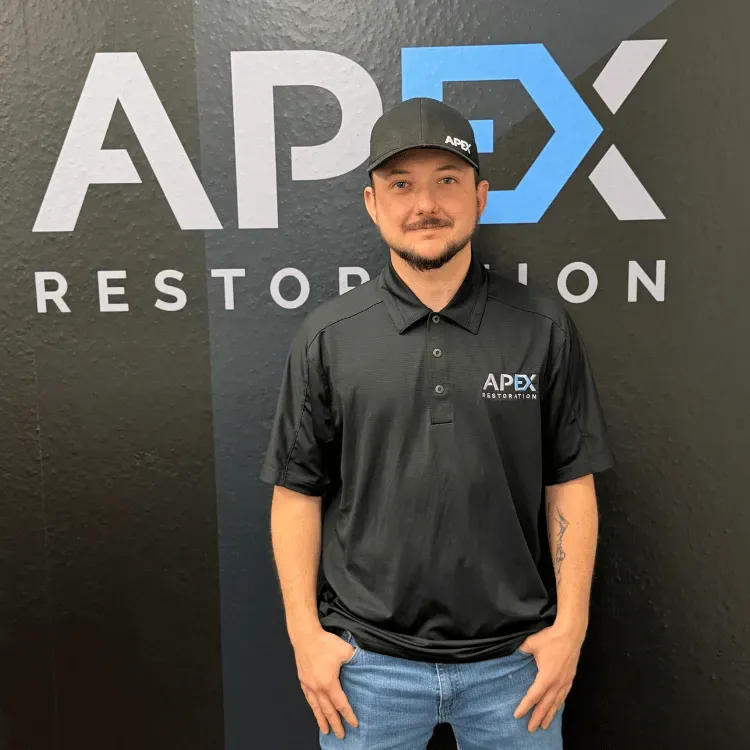
Tyler Tolman
Weekend Supervisor
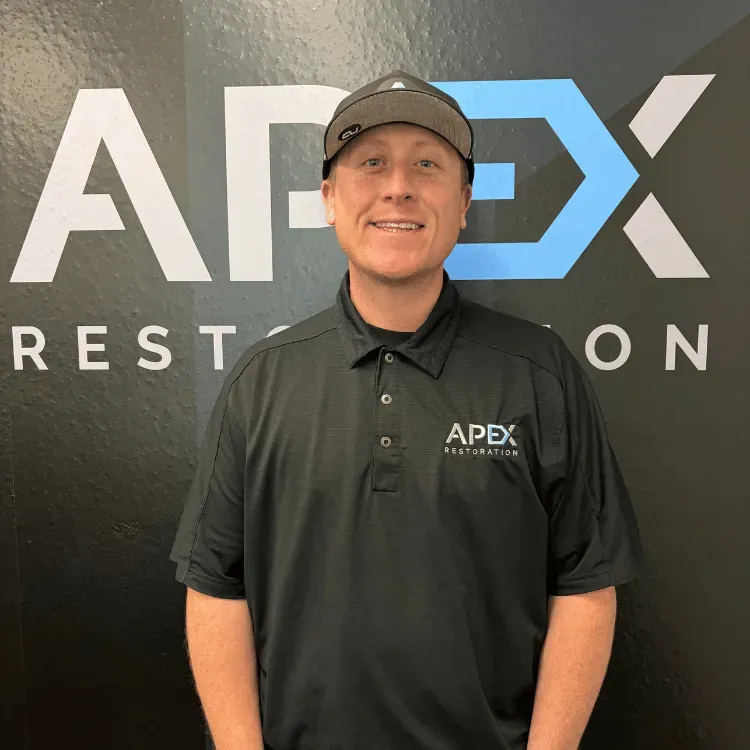
Matthew Shirley
Production Manager
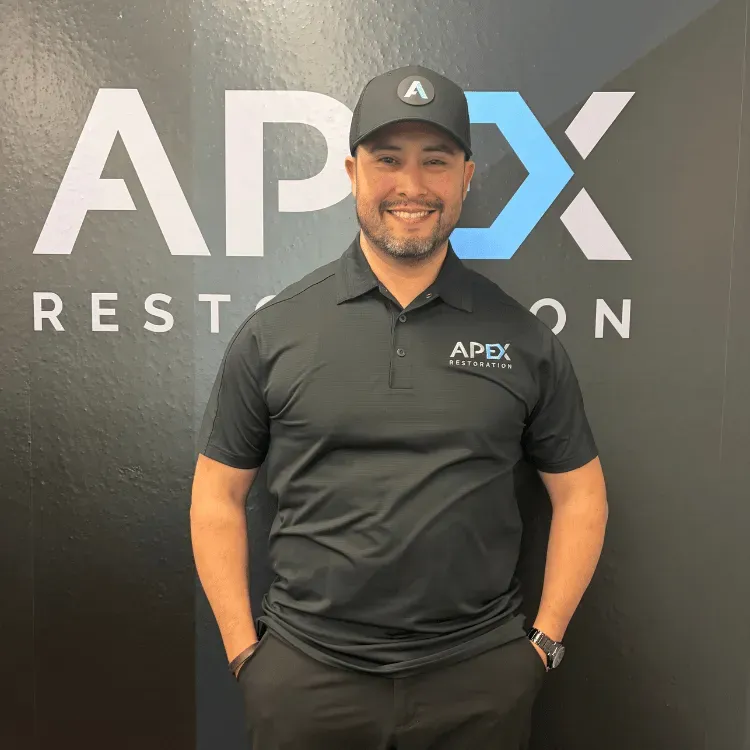
Jesse Trevino
Project Coordinator
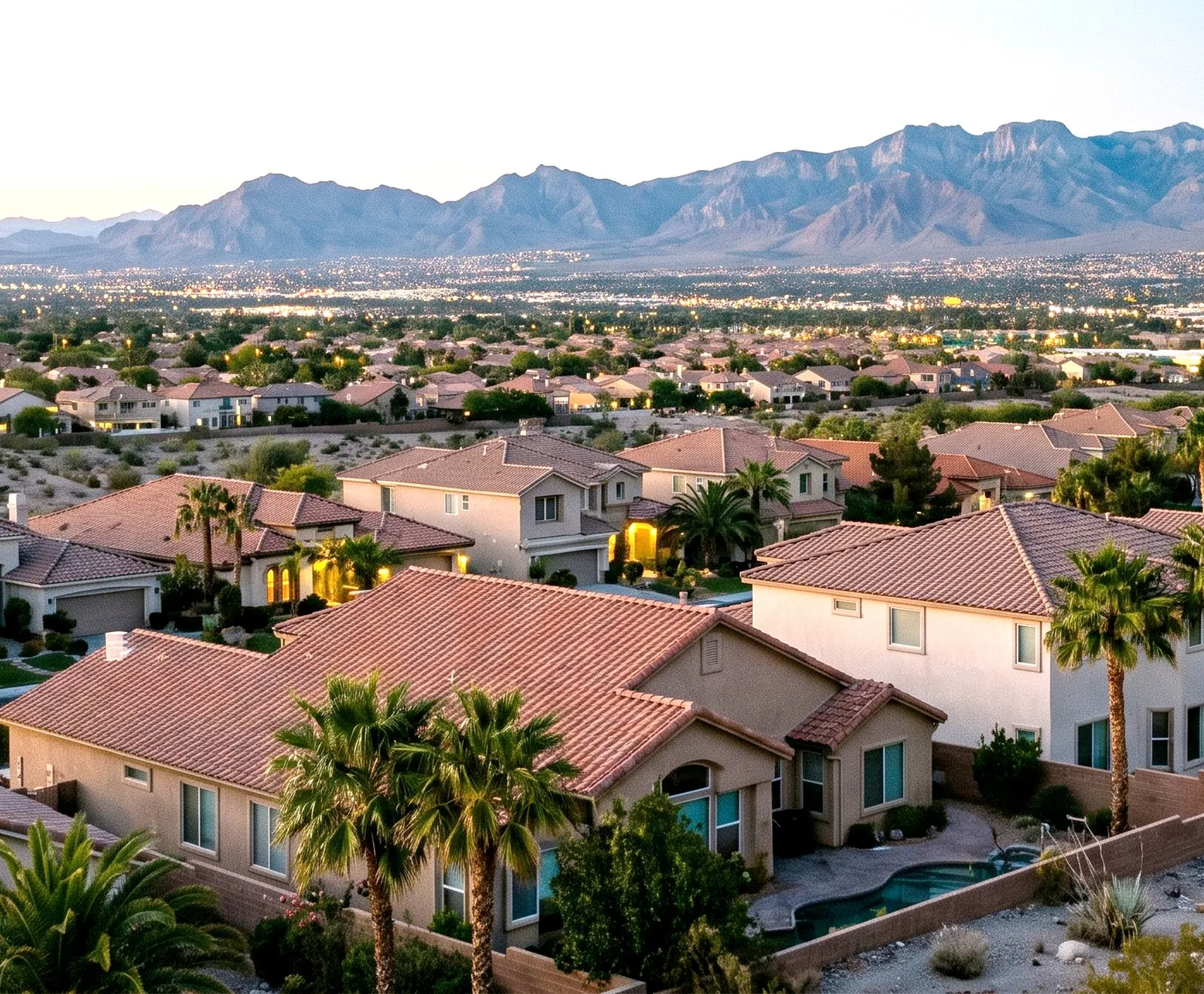
We offer water damage cleanup across Las Vegas
We bring water damage restoration to homes and businesses in Henderson, in Enterprise and across the Las Vegas valley.
In homes built before about 1980, galvanized steel supply pipe can corrode from the inside, and the thinner copper used in the 1980s and 1990s can develop pinhole leaks.

Karen L
a week ago
“Every single person on this team that came over during my emergency flood and the following days after were extremely helpful, knowledgable and professional. They were always right on time and thourough in explaining what they were doing at every step and what the next steps would be after. I highly recommend this group, they've done an outstanding job!”
Apex Home Services
Water Damage Cleanup Services
- Water Damage Restoration
- Water Extraction
- Flood Cleanup
- Water Damage Repair
Zip Codes Serviced
89101 • 89102 • 89103 • 89104 • 89106 • 89107 • 89108 • 89109 • 89110 • 89113 • 89115 • 89117 • 89118 • 89119 • 89120 • 89121 • 89122 • 89123 • 89124 • 89128 • 89129 • 89130 • 89131 • 89134 • 89135 • 89138 • 89139 • 89141 • 89142 • 89143 • 89144 • 89145 • 89146 • 89147 • 89148 • 89149 • 89156 • 89158 • 89166 • 89169 • 89178 • 89179 • 89183
Water Damage Cleanup in Las Vegas Area
Our Recent Water Damage Jobs in Las Vegas
We've done 100s of water damage jobs across Las Vegas.
Get a free water damage estimate in Las Vegas
Tell us what happened, and we'll come out and look. You pay nothing for the inspection or the estimate.
- On site in under an hourAnywhere in the valley
- Answered 24/7Every day of the year
- Free estimateInspection included
Speak with the Apex Home Services team now
(725) 322-0184
Call for immediate assistance and service.

Common questions about water damage cleanup in Las Vegas
Straight answers to what people ask us before they call.
Does calling you for an inspection start an insurance claim?
No. An inspection is a look at the damage, not an insurance claim, and the inspection and estimate cost you nothing. Whether to open a claim with your insurance company is your decision.
Will you have to cut out drywall or pull up carpet?
That depends on how wet they are. Some materials can be dried where they are, while soaked drywall, insulation or carpet may need to come out. When something has to go, we remove it and tell you why.
Can we stay in the house while the drying equipment runs?
Whether you stay depends on the job, and we plan with you which rooms the drying equipment will take up. The air movers and dehumidifiers run day and night and make steady noise. If anyone at home has a health concern, ask your doctor.
What should I do while I wait for you to arrive?
Shut off the water at the fixture or the main if you can reach it, or the cooler's water line if a swamp cooler is leaking. Keep out of any room where the ceiling sags, because a wet ceiling can come down.
How long does it take to dry everything out?
There is no set drying time, because it depends on what got wet, how far the water spread and the indoor humidity. Moisture readings guide the drying, and we take them as the job runs to see which materials hold water.
Have a question? Call us, we're available. (725)-322-0184